
The Mouth–Body Connection: Blood Markers That Influence Oral Health, Healing, and Whole-Body Wellness
Blood markers such as Vitamin D, inflammatory markers, HbA1c, and cholesterol provide insight into how the body heals, fights infection, and maintains healthy gums and bone.
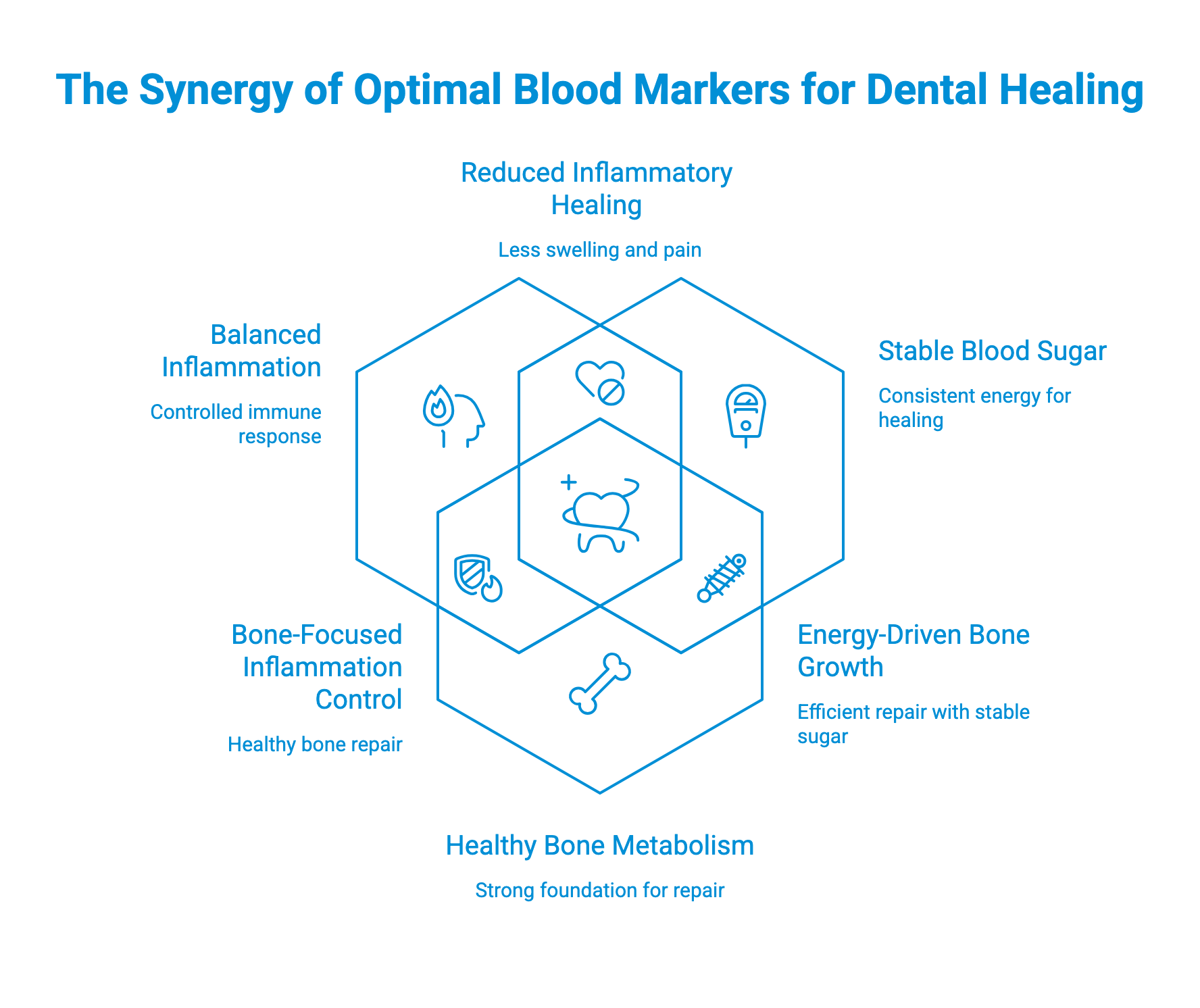
Understanding your lab results can help you see how your body’s internal environment supports—or challenges—oral health and healing. Below are general laboratory reference ranges along with commonly discussed optimal ranges for healing, immune balance, and whole-body wellness.
Keep in mind that lab ranges may vary slightly between laboratories, and your healthcare provider should always interpret your results in context.
Vitamin D (25-Hydroxy Vitamin D)
Why it matters for oral health
Vitamin D supports bone metabolism, immune function, and inflammation control. Adequate levels are important for maintaining the jawbone, supporting healthy gums, and promoting proper healing after procedures such as dental implants or extractions.
Vitamin D Blood Levels
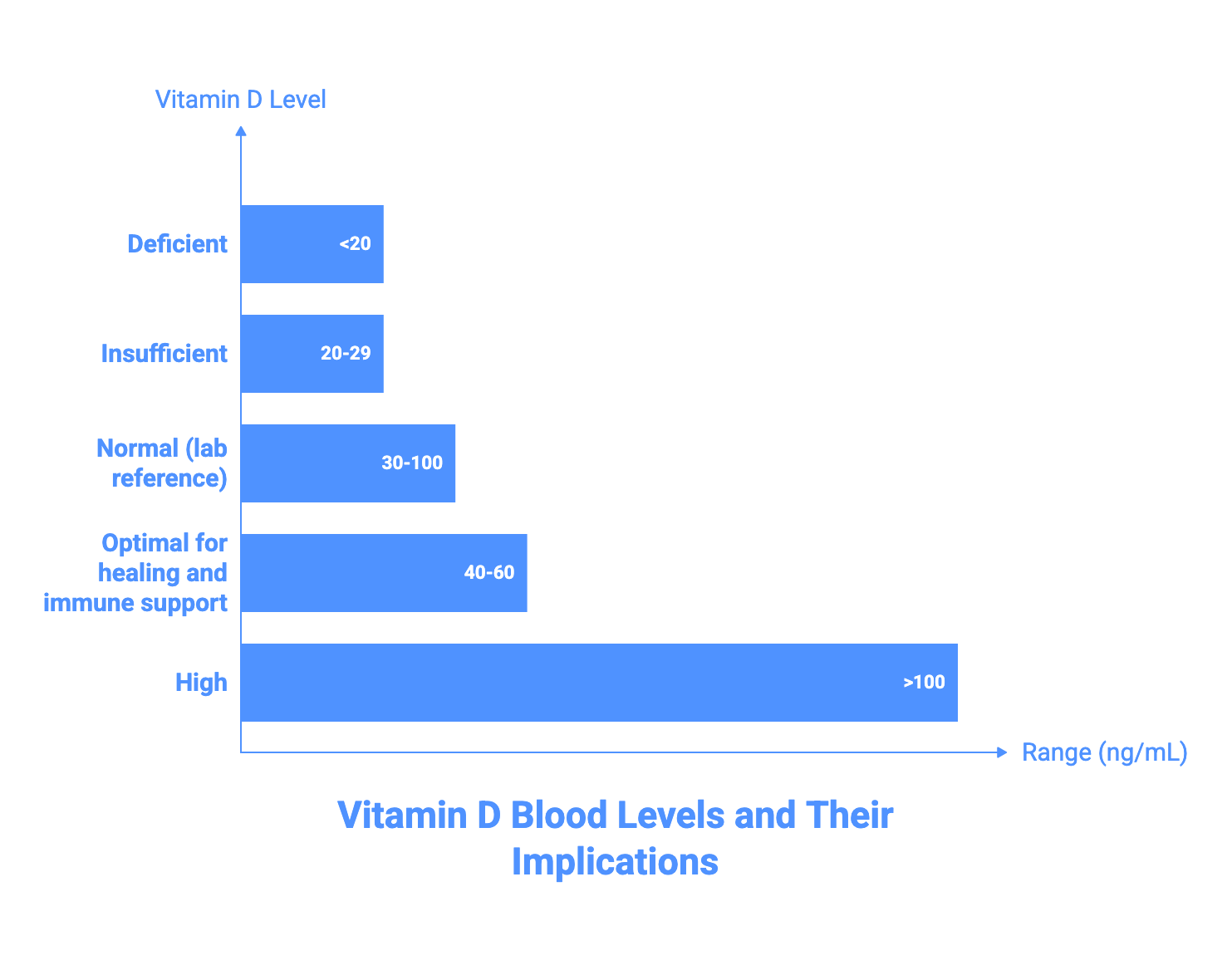
Low vitamin D levels have been associated with increased risk of periodontal disease, bone loss, and delayed healing after dental surgery.
Inflammation Markers (hs-CRP)
High-sensitivity C-reactive protein (hs-CRP) is a common marker used to measure systemic inflammation.
Why it matters for oral health
Inflammation is a key driver of gum disease and tissue breakdown. Elevated inflammatory markers may indicate a higher risk of periodontal disease and slower recovery after dental procedures.
hs-CRP Blood Levels
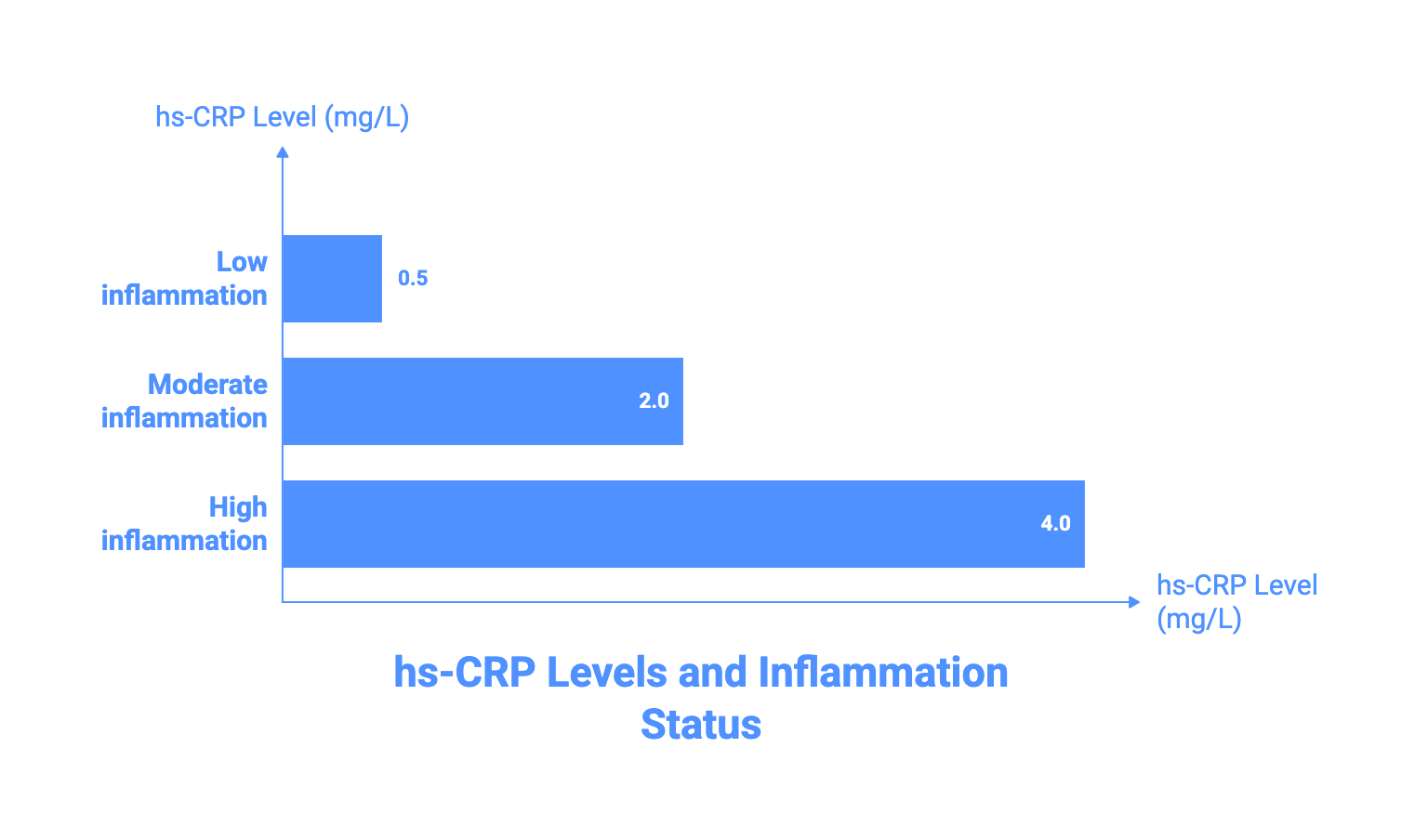
Reducing inflammation supports healthier gums and improves healing after dental treatments.
HbA1c (Average Blood Sugar)
HbA1c measures your average blood sugar levels over the previous 2–3 months.
Why it matters for oral health
Blood sugar levels influence the immune system and healing response. Elevated HbA1c levels are strongly associated with gum disease, increased oral bacteria, and slower healing after dental surgery.
HbA1c Levels
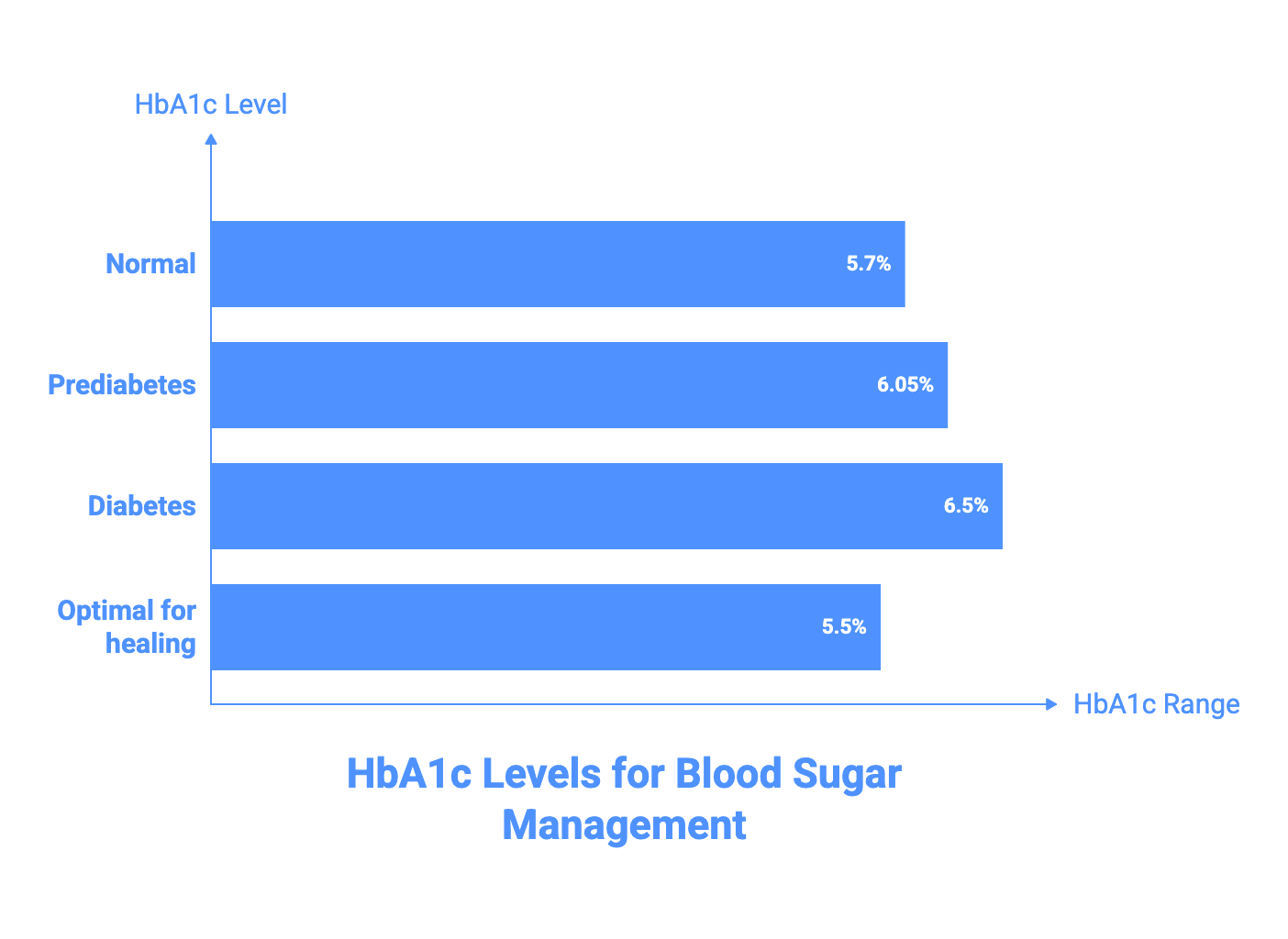
Research has shown that periodontal disease and diabetes have a two-way relationship, meaning each condition can influence the other.
LDL Cholesterol (Low-Density Lipoprotein)
LDL cholesterol is often referred to as “bad cholesterol,” but it also provides insight into cardiovascular and inflammatory health.
Why it matters for oral health
Elevated LDL levels can be associated with systemic inflammation and vascular health, which may influence gum disease and tissue healing.
LDL Cholesterol Levels
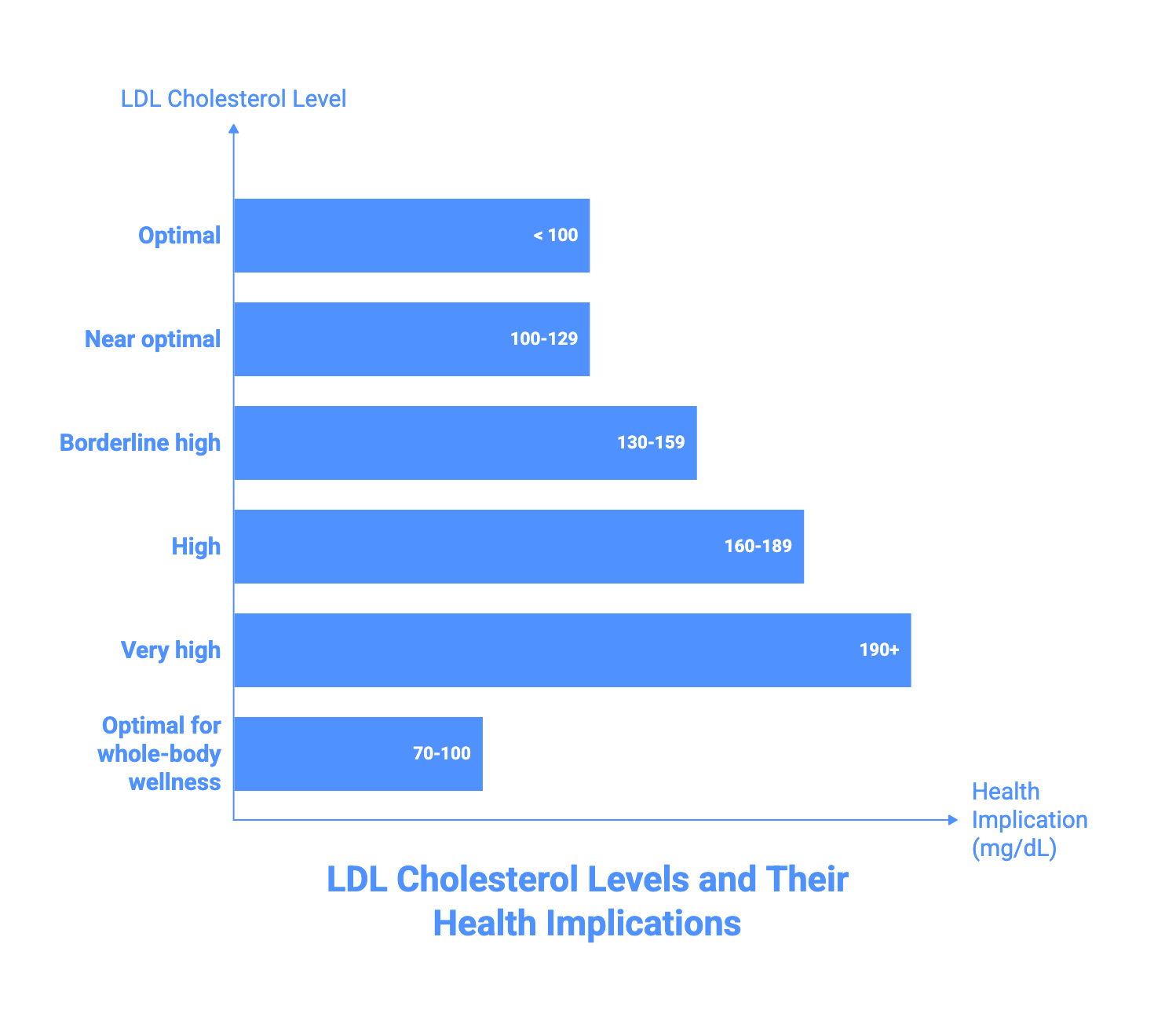
Maintaining healthy cholesterol levels supports cardiovascular health, circulation, and tissue healing.
Why Optimal Ranges Matter for Dental Healing
When your body is preparing to heal after dental treatment, it relies on:
Balanced inflammation
Stable blood sugar
Healthy bone metabolism
Strong immune function
Optimal blood marker levels help create the conditions needed for:
Faster healing
Reduced inflammation
Better gum health
More predictable outcomes after dental procedures
This is why some holistic and biological dental practices review blood markers before surgical procedures—to ensure your body is prepared for the best possible healing response.
References
National Institutes of Health – Vitamin D and Bone Health
American Diabetes Association – HbA1c and Diabetes Diagnosis
American Heart Association – Cholesterol Guidelines
American Academy of Periodontology – Periodontal Disease and Systemic Inflammation
National Institute of Dental and Craniofacial Research – Oral-Systemic Health