
Could Your Autoimmune Disease Be Affecting Your Oral Health?
What every person living with an autoimmune condition should know about protecting their smile and supporting whole-body wellness
"I take good care of my teeth... so why am I suddenly dealing with dry mouth, bleeding gums, or more cavities?"
If you've ever asked yourself that question, you're not alone.
Whether you're living with rheumatoid arthritis, lupus, Sjögren's disease, Crohn's disease, ulcerative colitis, psoriasis, multiple sclerosis, Hashimoto's thyroiditis, or another autoimmune condition, your mouth may be experiencing changes long before you realize they're connected.
The good news?
Many of these changes are manageable once you understand what's happening.
At Lotus Dental Wellness in Lake Oswego, OR, we believe your mouth isn't separate from the rest of your body. It's part of your overall health story. That's why we take the time to understand not just your teeth, but your medications, medical history, lifestyle, nutrition, and long-term wellness goals.
Your immune system doesn't stop at your gums
Autoimmune diseases occur when the immune system mistakenly attacks healthy tissues.
Depending on the condition, that may affect your joints, digestive tract, thyroid, skin, nervous system, eyes, or salivary glands.
But here's what many people don't realize:
Your mouth is often one of the first places these changes appear.
Researchers continue to find important connections between autoimmune diseases, the oral microbiome, chronic inflammation, and periodontal (gum) health. While scientists are still studying exactly how these relationships work, there's strong evidence that oral health and systemic health influence one another.
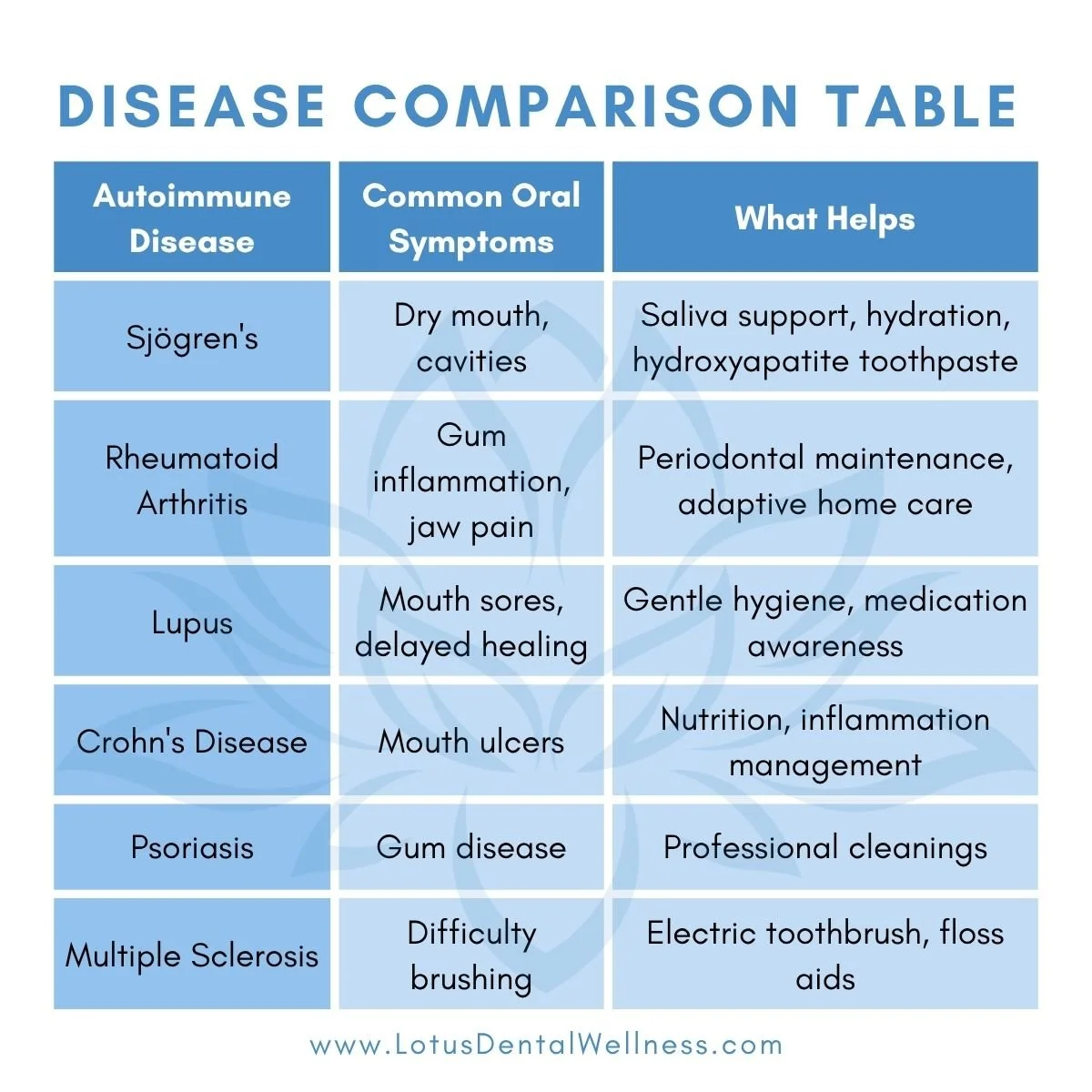
Signs your autoimmune condition may be affecting your oral health
You don't have to experience every symptom. Some people notice only one. Others develop several over time.
Watch for:
Dry mouth that doesn't improve with water
Bleeding when brushing or flossing
Receding gums
Persistent bad breath
Frequent cavities
Mouth sores
Burning mouth or tongue
Changes in taste
White patches inside the mouth
Increased tooth sensitivity
Slow healing after dental procedures
These symptoms aren't something you should simply "live with." They're worth discussing with both your dentist and your physician.
Gum disease and autoimmune disease: what we know
Researchers have found that people with several autoimmune diseases; including rheumatoid arthritis and psoriasis are more likely to experience periodontal disease.
Why?
The answer is likely multifactorial.
Inflammation plays a role.
Changes in immune regulation play a role.
Reduced saliva can contribute.
Even fatigue or painful joints can make brushing and flossing more difficult.
Current evidence supports a two-way relationship between gum inflammation and systemic inflammatory diseases, although researchers are still studying whether treating gum disease directly changes long-term autoimmune outcomes. What we do know is that reducing oral inflammation is beneficial for overall oral health and is an important part of comprehensive healthcare.
The oral microbiome: one of the most exciting areas of research
Your mouth is home to hundreds of species of bacteria, fungi, and other microorganisms.
Together, they form your oral microbiome.
A healthy microbiome isn't sterile.
It's balanced.
When that balance shifts a state called dysbiosis, harmful bacteria can gain the upper hand, contributing to gum disease and chronic inflammation.
Recent systematic reviews have found consistent differences in the oral microbiomes of people with several autoimmune diseases, although scientists are still determining whether these changes are a cause, a consequence, or both.
If you'd like to learn more, be sure to read our articles on:
Small daily habits that can make a big difference
Living with an autoimmune disease can already feel overwhelming.
The goal isn't perfection.
It's consistency.
Here are a few habits that support both oral health and whole-body wellness.
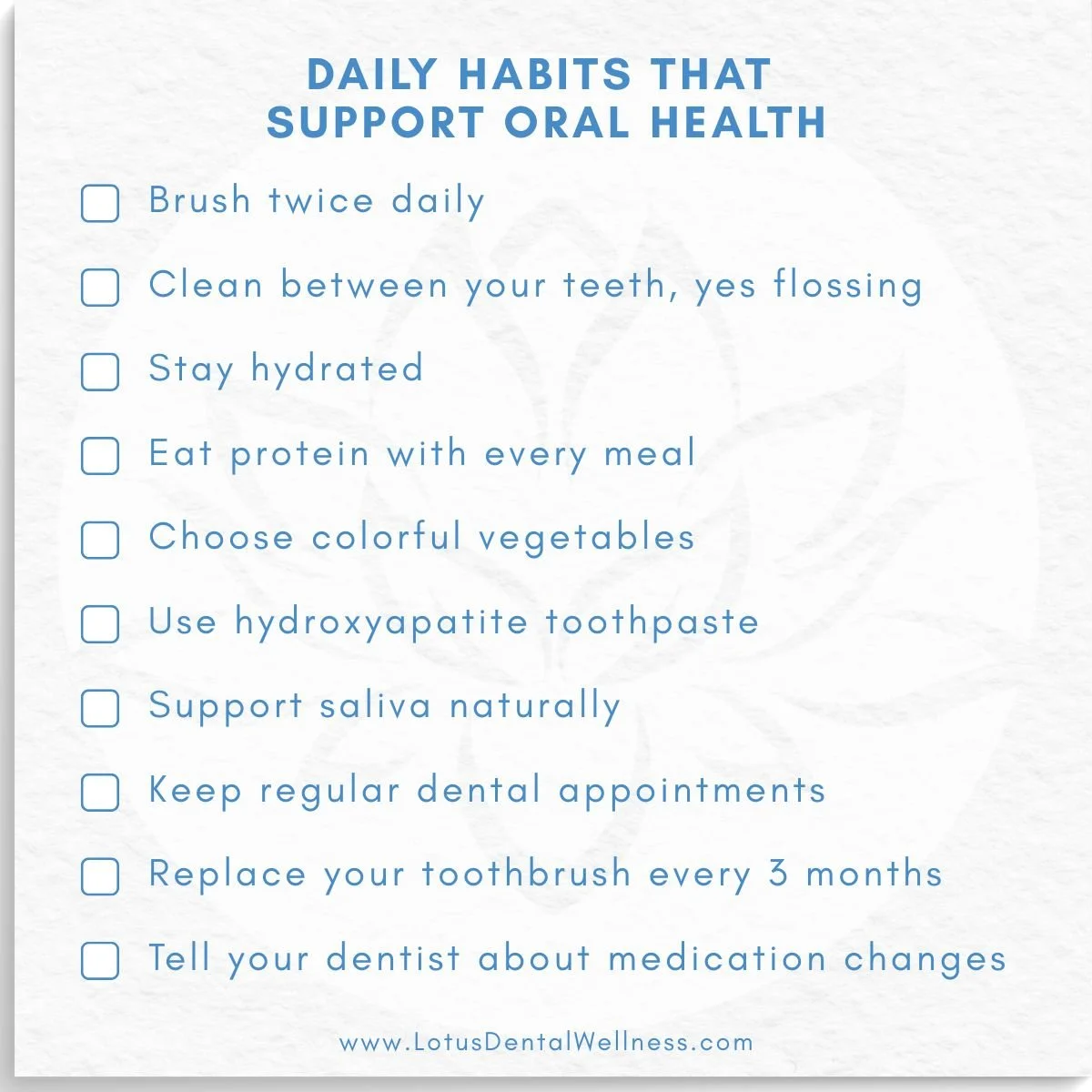
Stay ahead of dry mouth
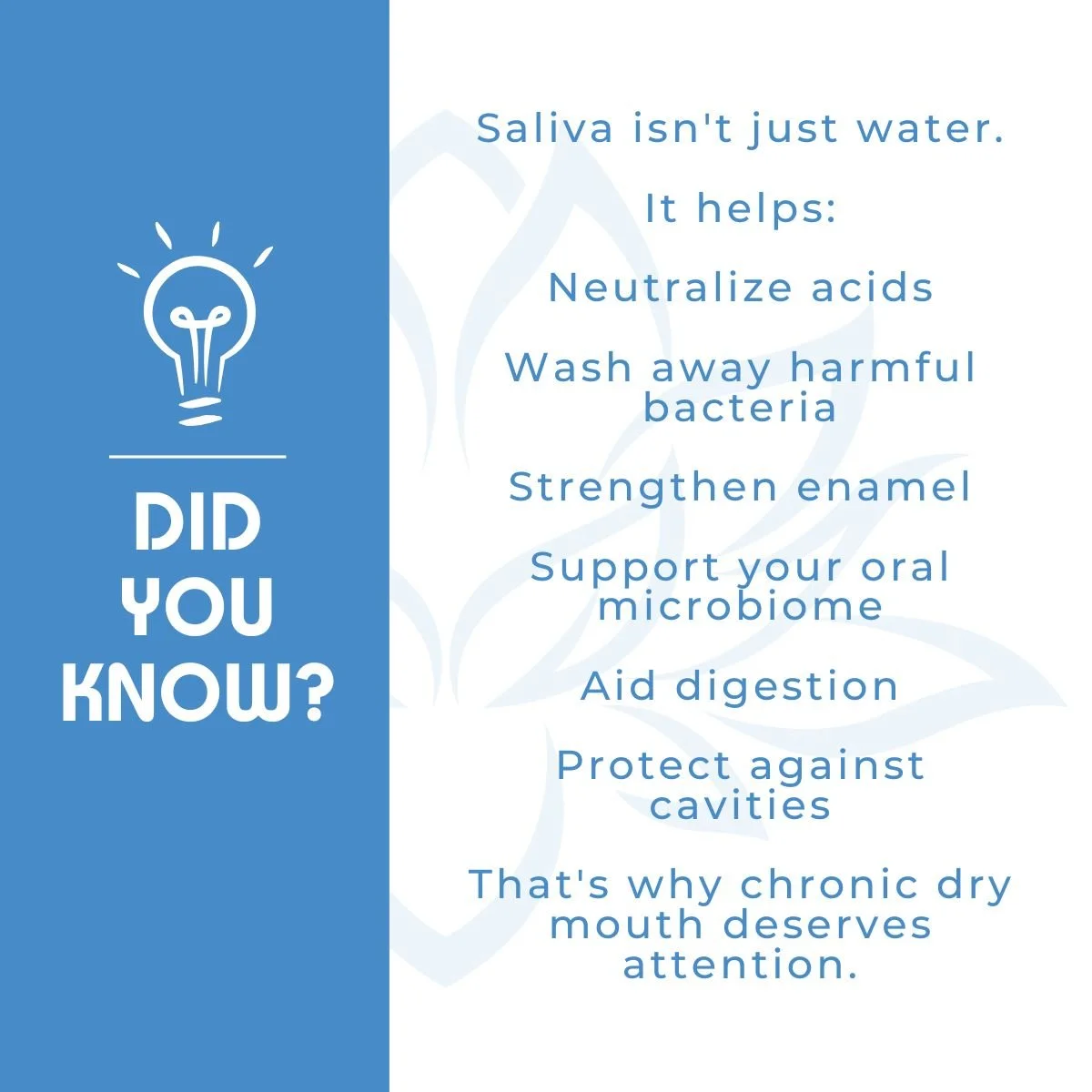
One of the most common oral health challenges for people living with autoimmune diseases is dry mouth. Unfortunately, drinking more water alone is often not enough.
Saliva is essential for protecting your teeth and gums. It helps neutralize acids, wash away food particles, control bacteria, and deliver minerals that strengthen enamel.
If you're experiencing persistent dry mouth, these habits may help:
Sip water consistently throughout the day.
Chew sugar-free xylitol gum or use xylitol mints if appropriate for you.
Limit sugary drinks and frequent snacking.
Sleep with a humidifier if you tend to breathe through your mouth.
Avoid alcohol-containing mouth rinses, which can make dry mouth worse.
Talk with your physician if your medications may be contributing.
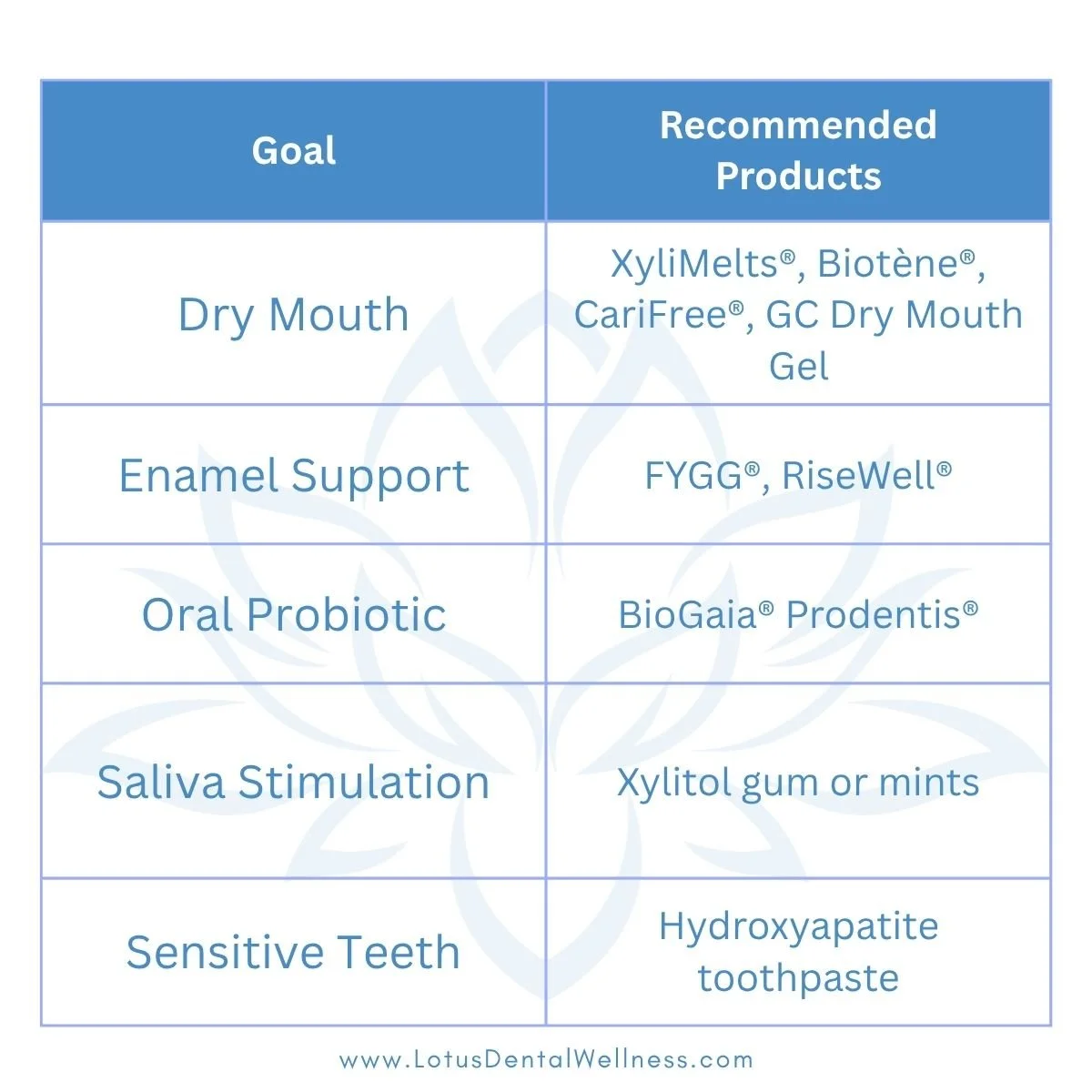
There are also several products designed specifically to support oral moisture, including:
Biotène® Oral Rinse and Oral Gel
Mouth Kote® Moisturizing Spray
XyliMelts® Overnight Dry Mouth Discs
CariFree Maintenance Rinse
GC Dry Mouth Gel
If dry mouth is becoming a daily struggle, don't simply accept it as part of your condition. Your dentist can help determine the underlying cause and recommend products that fit your specific needs.
Sometimes it's the medication, not the disease
Many medications used to treat autoimmune conditions improve quality of life, but they can also affect the mouth.
Common side effects include:
Dry mouth
Delayed healing
Increased susceptibility to oral infections
Changes in taste
Increased risk of oral thrush in some patients
This doesn't mean you should stop taking your medication.
It simply means your dental team should know what you're taking so they can personalize your care.
One of the easiest ways to protect yourself?
Bring an updated medication list to every dental appointment.
Choose a toothpaste that supports enamel
Many of our patients ask about hydroxyapatite toothpaste.
Hydroxyapatite is the primary mineral that makes up your tooth enamel. Research over the past several years suggests that hydroxyapatite toothpaste can help remineralize enamel, reduce tooth sensitivity, and support daily cavity prevention. For many patients looking for a fluoride-free option, it is an excellent choice.
Some of our favorite options include:
RiseWell Mineral Toothpaste
The best toothpaste depends on your individual cavity risk, sensitivity, and oral health goals. Your dentist can help determine which option is best for you.
Support a healthy oral microbiome
Your mouth is home to hundreds of species of beneficial bacteria that play an important role in your overall health.
Researchers are continuing to study how the oral microbiome influences inflammation throughout the body.
To help support a healthy oral microbiome:
Eat plenty of vegetables, especially nitrate-rich leafy greens.
Choose high-fiber foods.
Limit frequent sugar exposure.
Stay hydrated.
Avoid tobacco products.
Brush gently without over-sanitizing your mouth.
Some patients also choose oral probiotics such as BioGaia® Prodentis®, which have shown promise in supporting gum health and reducing harmful bacteria in some clinical studies. While oral probiotics are not a replacement for brushing, flossing, or professional care, they may be a helpful addition for certain patients. Ask your dental team whether they're appropriate for you.
Think about nitric oxide
Nitric oxide plays an important role in circulation and vascular health.
Interestingly, beneficial bacteria in the mouth help convert dietary nitrate from vegetables into nitric oxide.
Some patients choose products like BioGaia probiotics or nitric oxide supporting products as part of their wellness routine. While research into oral probiotics and nitric oxide pathways is promising, these products should be viewed as complements to, not replacements for excellent oral hygiene and a balanced diet. Discuss supplements with your healthcare team, especially if you have complex medical conditions.
Breathe Through Your Nose Whenever Possible
Breathing may not be the first thing you think about when it comes to oral health, but how you breathe can have a significant impact on your mouth.
Your nose does much more than move air. It helps filter allergens and particles, warm and humidify the air you breathe, and supports the production of nitric oxide, a molecule that plays an important role in healthy blood flow and immune function.
When you breathe through your mouth, especially while sleeping, saliva evaporates more quickly. Over time, chronic mouth breathing may contribute to:
Dry mouth
Increased cavity risk
Gum inflammation
Bad breath
More plaque buildup
Disrupted sleep quality
If you frequently wake up with a dry mouth or sore throat, it's worth discussing with your dental team. Mouth breathing can sometimes be related to nasal congestion, allergies, anatomical airway issues, or sleep-disordered breathing.
Could mouth taping help?
For some people who are otherwise able to breathe comfortably through their nose, gentle mouth taping during sleep may encourage nasal breathing and help reduce nighttime dry mouth.
At Lotus Dental Wellness, we often recommend SomniSeal® mouth strips because they're designed to encourage the lips to remain gently closed while still allowing for emergency mouth opening if needed.
Many patients report benefits such as:
Less morning dry mouth
Fresher breath upon waking
Improved sleep comfort
Better support for a healthy oral environment
Mouth taping is not appropriate for everyone. If you have untreated sleep apnea, significant nasal congestion, difficulty breathing through your nose, or certain medical conditions, you should speak with your physician or dentist before trying it.
If you're unsure whether mouth breathing is affecting your oral health, we'd be happy to help evaluate your symptoms and discuss whether nasal breathing strategies are appropriate for you.
Want to learn more? Check out our article, The Benefits of Nasal Breathing for Oral and Whole-Body Health, where we explore how breathing habits can influence your teeth, gums, sleep quality, and overall wellness.
Don’t skip regular professional cleanings. They matter more than you may think
Professional dental cleanings do much more than polish your teeth.
They help remove bacterial biofilm that simply cannot be removed at home and allow your dental team to monitor changes in your gums before they become more serious.
If you have a history of periodontal (gum) disease, research consistently supports more frequent periodontal maintenance visits, often every three to four months rather than every six months. These shorter intervals help disrupt the bacterial biofilm before it matures and contributes to recurring inflammation. Studies have shown that patients who follow recommended periodontal maintenance schedules experience better long-term gum health and are more likely to maintain stable periodontal conditions.
At Lotus Dental Wellness, many patients benefit from Guided Biofilm Therapy (GBT).
Unlike a traditional dental cleaning that often relies heavily on hand instruments to remove tartar and polish the teeth, Guided Biofilm Therapy begins by identifying and gently removing the bacterial biofilm using warm water, a specialized air polishing system, and fine erythritol powder before addressing any remaining calculus.
Patients often appreciate that GBT is:
More comfortable
Less invasive
Gentle on teeth and soft tissues
Highly effective at disrupting biofilm
Supported by growing research for maintaining periodontal health
If you've never experienced Guided Biofilm Therapy, it may change the way you think about dental cleanings.
What makes Lotus Dental Wellness different?
If you're searching for a biological dentist in Lake Oswego, holistic dentist near Portland, or a dental team that understands the connection between oral health and whole-body wellness, you're looking for more than a routine cleaning.
You're looking for someone who sees the bigger picture.
At Lotus Dental Wellness, we take time to understand:
Your medical history
Your medications
Your nutrition
Your symptoms
Your oral microbiome
Your periodontal health
Your long-term wellness goals
Our approach combines modern evidence-based dentistry with a whole-person philosophy. That means focusing on prevention, reducing unnecessary inflammation, preserving healthy tooth structure whenever possible, and working collaboratively with your physicians when appropriate.
You deserve dental care that treats you as a whole person, not just a set of teeth.
Looking ahead
One of the most exciting developments in dentistry is the growing understanding of the oral microbiome.
Researchers are exploring:
Saliva-based diagnostic testing
Personalized oral microbiome therapies
Better ways to identify inflammation earlier
More individualized prevention strategies
Precision approaches that combine oral health with overall medical care
While many of these innovations are still being studied, they point toward a future where dentistry plays an even greater role in supporting lifelong health.
Final thoughts
If you're living with an autoimmune disease, your oral health isn't just another item on your to-do list. It's an important part of supporting your overall well-being.
A healthy mouth can't cure an autoimmune condition.
But protecting your gums, supporting a balanced oral microbiome, managing dry mouth, and partnering with a dental team that understands oral-systemic health can help you maintain comfort, function, and quality of life.
Sometimes the smallest daily habits create the biggest long-term impact.
Your health story is unique, and your dental care should be too.
Whether you're living with rheumatoid arthritis, lupus, Sjögren's disease, Crohn's disease, or another autoimmune condition, understanding how your oral health fits into the bigger picture can make a meaningful difference. If you're looking for a biological dentist in Lake Oswego or the Portland area who takes the time to understand your whole health, the team at Lotus Dental Wellness is here to help you make informed decisions with compassionate, evidence-based care.
Frequently Asked Questions About Autoimmune Disease and Oral Health
-
Autoimmune diseases do not directly cause gum disease, but many can increase your risk of developing it. Conditions such as rheumatoid arthritis, lupus, psoriasis, and Sjögren's disease are associated with changes in the immune system that can make it harder for your body to regulate inflammation. Some autoimmune diseases also reduce saliva production or make daily oral hygiene more challenging due to fatigue or joint pain.
Current research suggests a two-way relationship between periodontal (gum) disease and systemic inflammatory diseases. While scientists are still studying exactly how these conditions influence one another, maintaining healthy gums is an important part of supporting your overall health.
If you have an autoimmune disease, regular dental visits and excellent home care can help reduce oral inflammation and protect your smile.
-
Several autoimmune diseases can affect your oral health, but some have a greater impact than others.
Conditions most commonly associated with oral symptoms include:
Sjögren's disease, which often causes severe dry mouth and increases the risk of cavities.
Rheumatoid arthritis, which is linked with a higher prevalence of periodontal disease.
Systemic lupus erythematosus (lupus), which may cause mouth ulcers, dry mouth, and delayed healing.
Crohn's disease and ulcerative colitis, which can lead to mouth sores and inflammation.
Psoriasis, which has been associated with higher rates of gum disease.
Multiple sclerosis, where medications and reduced dexterity may make oral hygiene more difficult.
Even if your autoimmune disease doesn't directly affect your mouth, the medications used to manage it often can.
-
Yes. Many medications commonly prescribed for autoimmune diseases can reduce saliva production.
These may include:
Immunosuppressants
Certain biologic medications
Corticosteroids
Antidepressants
Antihistamines
Pain medications
Dry mouth is more than just uncomfortable. Saliva helps protect your teeth by washing away bacteria, neutralizing acids, and delivering minerals that strengthen enamel. Without enough saliva, your risk of cavities, gum disease, bad breath, and oral yeast infections increases.
If you're experiencing dry mouth, let your dentist know. There are simple strategies and products that can help improve comfort and reduce your risk of dental problems.
-
There isn't a one-size-fits-all answer.
For someone with healthy gums and no history of periodontal disease, dental cleanings every six months may be appropriate.
However, if you have gum disease, significant dry mouth, or other risk factors related to your autoimmune condition, your dentist may recommend periodontal maintenance visits every three to four months.
Research has shown that more frequent periodontal maintenance helps disrupt bacterial biofilm before it matures, reducing gum inflammation and helping maintain healthier periodontal tissues over time.
At Lotus Dental Wellness, we customize your preventive care schedule based on your oral health, medical history, and individual risk factors.
-
The best toothpaste depends on your individual needs.
For many patients with dry mouth or increased cavity risk, we often recommend a toothpaste that supports enamel remineralization while being gentle on sensitive tissues.
Hydroxyapatite toothpastes are becoming increasingly popular because they help replenish minerals in the enamel and may reduce tooth sensitivity.
Some excellent options include:
RiseWell Mineral Toothpaste
If you're experiencing significant dry mouth, your dentist may also recommend products specifically designed to moisturize oral tissues, such as Biotène®, XyliMelts®, or CariFree® products.
The most important thing is choosing a product that fits your oral health needs rather than simply buying the most popular brand.
-
Improving your oral health can significantly reduce inflammation in your mouth, and that's an important part of supporting your overall health.
Researchers have consistently shown that treating periodontal disease reduces markers of oral inflammation. Scientists are also studying how reducing gum inflammation may influence inflammation elsewhere in the body. While more research is needed to determine how much this affects specific autoimmune diseases, maintaining healthy gums is considered an important part of comprehensive healthcare.
Daily brushing, cleaning between your teeth, professional dental cleanings, and managing bacterial biofilm all contribute to a healthier oral environment.
-
Both biological dentists and traditional dentists are licensed dental professionals who use modern, evidence-based dentistry to diagnose and treat oral diseases.
A biological dentist, however, places additional emphasis on how oral health may influence whole-body wellness.
This often includes:
Understanding the relationship between oral inflammation and overall health
Choosing biocompatible materials when appropriate
Supporting healthy oral tissues through prevention
Considering nutrition and lifestyle as part of oral health
Working collaboratively with physicians and other healthcare providers
Taking extra precautions during procedures such as mercury amalgam removal using established safety protocols
At Lotus Dental Wellness, our philosophy is simple: treat the whole person, not just the tooth.
-
Absolutely.
Any time you begin a new medication, especially a biologic medication used to manage autoimmune diseases, your dentist should know.
Biologic medications affect the immune system and may influence how your body responds to infection or heals after certain dental procedures.
Your dentist doesn't need to change every treatment simply because you're taking a biologic medication, but knowing your medical history allows them to:
Coordinate care with your physician when appropriate.
Plan treatment at the best time.
Monitor healing more closely after surgery.
Reduce your risk of complications.
Personalize your preventive care.
Keeping your healthcare providers informed helps ensure that your dental care supports your overall health.
-
A biological dentist cannot treat or cure an autoimmune disease. However, they can play an important role in supporting your oral health while considering your overall medical history.
At Lotus Dental Wellness, we take time to understand your health history, medications, nutrition, oral microbiome, and risk factors before recommending treatment. Our goal is to reduce unnecessary oral inflammation, preserve healthy tooth structure whenever possible, and work collaboratively with your medical team when appropriate.
For many patients living with autoimmune conditions, having a dental team that understands the connection between oral health and whole-body wellness provides added confidence and a more personalized approach to care.
-
Rheumatoid arthritis (RA) does not directly attack your teeth, but it can contribute to oral discomfort in several ways. Chronic inflammation associated with RA has been linked to a higher prevalence of periodontal disease, which may cause sore gums, tooth sensitivity, or discomfort while chewing.
RA can also affect the temporomandibular joint (TMJ), the joint that connects your jaw to your skull. Some people with RA experience jaw pain, stiffness, clicking, or difficulty opening their mouth comfortably.
In addition, painful joints in the hands can make brushing and flossing more difficult, increasing the risk of plaque buildup and gum inflammation.
If you're living with RA, regular dental visits and an individualized home care routine can help protect your oral health.
-
Lupus can affect many parts of the mouth, although symptoms vary from person to person.
Some people experience:
Mouth ulcers
Dry mouth
Gum inflammation
Increased tooth sensitivity
Delayed healing after dental procedures
A higher risk of oral infections
Many people with lupus also take medications that may reduce saliva production or alter immune function, which can further increase the risk of cavities and gum disease.
If you have lupus, it's important to let your dental team know about your diagnosis and any medication changes so your care can be personalized to your needs.
-
Yes. Sjögren's disease is one of the autoimmune conditions most strongly associated with an increased risk of cavities.
The disease commonly affects the salivary glands, leading to chronic dry mouth. Because saliva helps neutralize acids, wash away bacteria, and strengthen tooth enamel, reduced saliva leaves teeth much more vulnerable to decay.
Fortunately, there are many ways to help protect your teeth, including:
Staying well hydrated
Using saliva-support products
Choosing a hydroxyapatite or prescription toothpaste when appropriate
Limiting frequent sugar exposure
Attending regular professional dental cleanings
Treating dry mouth early
Preventing cavities is much easier than treating them after they develop.
-
For many people, yes.
Hydroxyapatite is the same mineral that naturally makes up most of your tooth enamel. Research suggests that hydroxyapatite toothpaste can help remineralize enamel, reduce sensitivity, and support daily cavity prevention.
For patients with dry mouth, this can be especially beneficial because saliva is less available to naturally repair early enamel damage.
Products such as FYGG and RiseWell are popular hydroxyapatite toothpaste options for patients looking for fluoride-free enamel support.
Your dentist can help determine whether hydroxyapatite toothpaste is the best choice based on your individual cavity risk and oral health needs.
-
Keeping your dentist informed is one of the easiest ways to protect your oral health.
Let your dental team know if you have:
A new autoimmune diagnosis
Started a biologic medication
Begun taking corticosteroids or immunosuppressants
Experienced increasing dry mouth
Developed mouth sores
Been hospitalized
Started receiving infusions
Had changes to your medical history
This information helps your dentist provide personalized care, monitor healing after procedures, and coordinate with your physician when appropriate.
-
If you're constantly sipping water but still feel dry, dehydration may not be the problem.
Many autoimmune diseases, medications, and medical conditions reduce saliva production rather than simply causing thirst.
Saliva is much more than water. It contains proteins, enzymes, minerals, and protective compounds that help maintain a healthy mouth.
If your mouth feels dry throughout the day or you frequently wake up with a dry mouth, talk with your dentist. Identifying the underlying cause is the first step toward finding relief.
-
Research into oral probiotics is growing rapidly.
Unlike digestive probiotics, oral probiotics are designed to support a healthier balance of bacteria in the mouth. Some clinical studies suggest they may help reduce harmful bacteria associated with gum disease, bad breath, and inflammation.
One of the most researched oral probiotic products is BioGaia® Prodentis®.
While oral probiotics are promising, they should be viewed as one part of a comprehensive oral health routine that includes brushing, cleaning between your teeth, healthy nutrition, and regular professional dental care.
-
Absolutely.
A nutrient-rich diet supports your immune system, your oral tissues, and your body's natural healing processes.
Focus on foods that provide:
High-quality protein
Colorful fruits and vegetables
Omega-3 fatty acids
Vitamins C and D
Calcium
Magnesium
Adequate hydration
Limiting frequent sugar exposure can also help reduce the fuel available for cavity-causing bacteria.
For a deeper dive, check out our articles on Nutrition and Oral Health and Whole-Body Wellness Through Biological Dentistry.
-
No.
Bleeding gums are never considered normal, even if you have an autoimmune condition.
While autoimmune diseases can increase your risk of gum inflammation, bleeding is often a sign that plaque and bacterial biofilm have accumulated around the gums.
The good news is that early gum inflammation is often reversible with consistent home care and professional treatment.
If your gums bleed regularly, schedule a periodontal evaluation rather than waiting for your next routine cleaning.
References
American Dental Association.Xerostomia (Dry Mouth): Clinical Resources.https://www.ada.org
National Institute of Dental and Craniofacial Research (NIDCR). Dry Mouth.https://www.nidcr.nih.gov
National Institute of Arthritis and Musculoskeletal and Skin Diseases (NIAMS). Sjögren's Disease.https://www.niams.nih.gov
American Academy of Periodontology. Gum Disease and Systemic Health.https://www.perio.org
Mayo Clinic. Dry Mouth: Symptoms and Causes.https://www.mayoclinic.org
Jung S, et al. Oral Microbiome in Systemic Autoimmune Diseases: A Systematic Review. Oral Diseases. 2025.
Foroughi M, et al. Bridging Oral and Systemic Health: Exploring Pathogenesis, Biomarkers, and Diagnostic Innovations in Periodontal Disease. Infection. 2025.
Petit C, et al. Impact of Treatment of Rheumatoid Arthritis on Periodontal Disease: A Review. Molecular Oral Microbiology. 2024.
European Federation of Periodontology (EFP). Clinical Practice Guidelines for Periodontitis.